Choosing the wrong snap hook can lead to poor fit, difficult operation, or early wear. In marine environments, saltwater and constant movement add more challenges. Buyers need reliable connectors that match their equipment, material needs, and working conditions. The right supplier makes product selection and long-term sourcing easier.
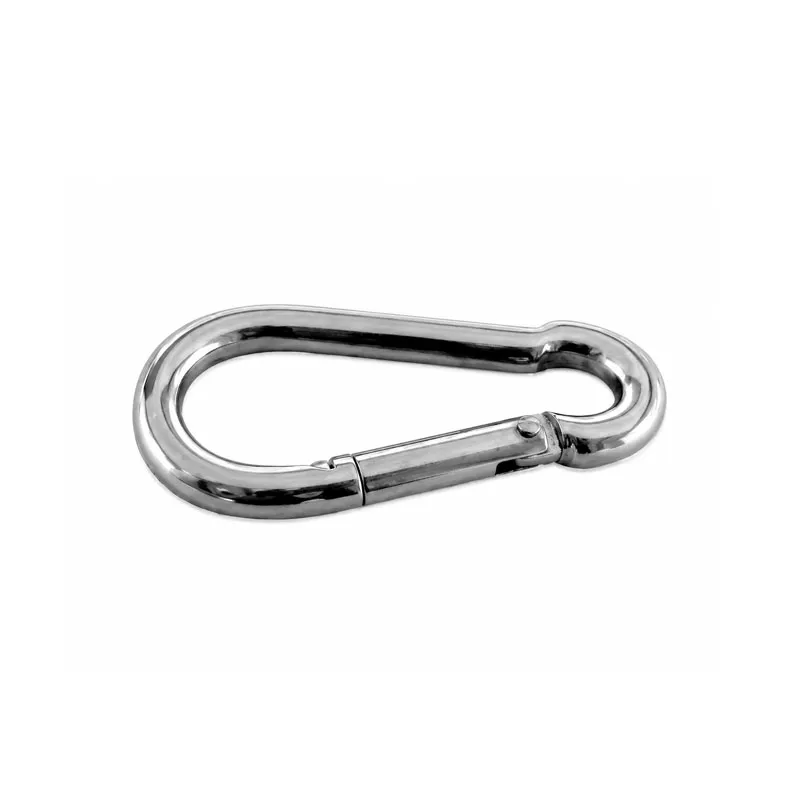
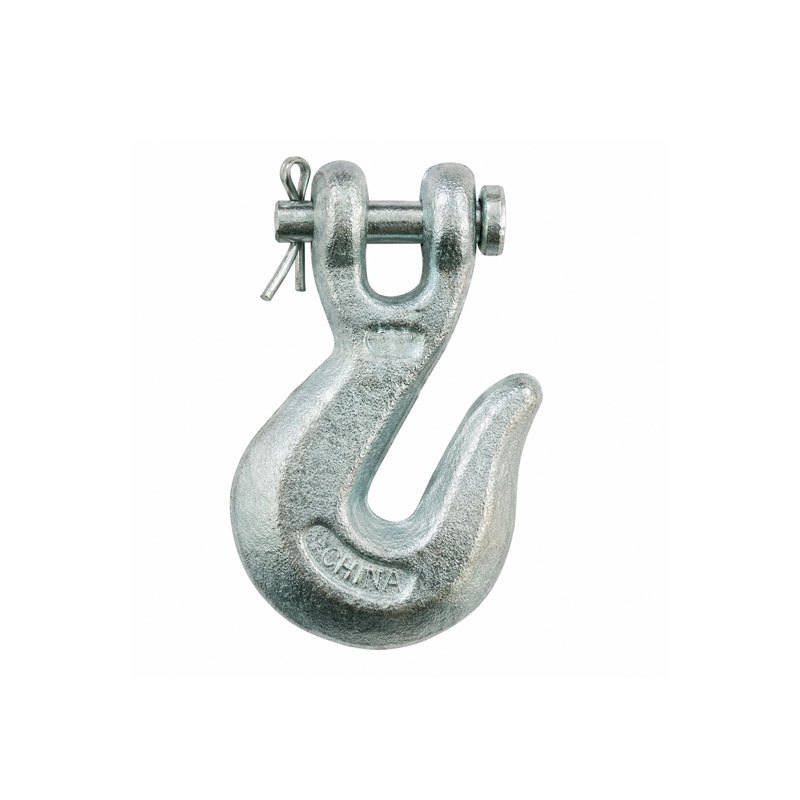
A snap hook is a mechanical connector with a spring-loaded gate that opens to attach to a ring, chain, strap, or other fitting. Common options include stainless steel snap hooks, swivel hooks, spring snap hooks, and lightweight plastic designs. The best choice depends on the application, required strength, material, opening size, and connection method.
1. What Is a Snap Hook and How Does It Work?
A snap hook is a small but useful fastening component designed to connect and release equipment quickly. It normally has a metal body, a movable gate, and a spring mechanism. When the user presses the gate, the opening allows another component to enter. Once released, the spring returns the gate to its closed position.
This simple design makes the snap hook useful across many industries. In marine applications, it can connect ropes, chains, straps, and other compatible fittings. Depending on its construction, it may also be used with safety lines, sailing equipment, and general rigging systems. The exact application must always match the product’s intended working conditions and rated capacity.
For professional buyers, the important point is not just how a hook opens and closes. Its material, gate design, dimensions, spring quality, and connection point all affect performance. A suitable connector should be easy to operate, fit the connected equipment, and remain secure during normal use.
Common snap hook features include:
Spring-loaded gate: Allows quick attachment and removal.
Body construction: Determines the general shape and available connection space.
Eye or ring connection: Provides a point for attaching ropes, straps, or other fittings.
Swivel mechanism: Allows the connected fitting to rotate where the design permits.
Material selection: Helps determine corrosion resistance and suitability for different environments.
At HIGRACE, we focus on marine hardware and rigging components for professional international buyers. We understand that a small connector can play an important role in a larger equipment system. That is why product matching and material selection deserve attention before purchasing.
2. What Are the Different Types of Snap Hooks?
Not all snap hooks have the same structure. Their shapes, opening mechanisms, and connection points vary according to their intended application. Understanding these differences helps distributors and manufacturers choose suitable components for their product ranges.
The most common types include standard snap hooks, swivel snap hooks, spring snap hooks, and snap clips. Some designs feature a fixed eye, while others include a rotating connection. A swivel eye can help reduce twisting when the attached rope or strap moves during use.
Type
Main Design Feature
Typical Application
Standard snap hook
Fixed connection point and spring gate
General marine connections
Swivel snap hook
Rotating eye or base
Rigging and moving connections
Spring snap hook
Spring-operated opening gate
Quick attachment applications
Double-ended snap hook
Gates at both ends
Connecting two compatible points
Snap clip
Compact clipping mechanism
Light-duty attachment tasks
Bolt snap hook
Positive locking mechanism on selected models
Specific rigging and marine applications
Trigger snap hook
Trigger-operated opening
Straps and accessory connections
A spring snap hook is useful when users need a quick connection without removing the entire assembly. A swivel model offers an additional movement feature, while a fixed-eye design provides a simpler connection structure. The best option depends on the working environment rather than appearance alone.
Some buyers also search for swivel snaps when sourcing hardware for bags, straps, and accessories. These products may have different dimensions and material requirements from marine-grade connectors. Always check the intended application before treating two products as interchangeable.
3. Why Choose Stainless Steel Snap Hooks for Marine Applications?
Marine hardware operates in a demanding environment. Saltwater, humidity, rain, and changing temperatures can affect metal components over time. For this reason, material selection is one of the first things buyers should consider when sourcing a snap hook for boats, yachts, and sailing equipment.
Stainless steel is a common choice because it offers useful corrosion resistance and a clean surface finish. AISI 316 stainless steel is particularly important in marine hardware sourcing because of its suitability for many applications involving saltwater exposure. However, actual performance also depends on product construction, surface condition, maintenance, and the surrounding environment.
At HIGRACE, AISI 316 stainless steel is a key material in our marine hardware portfolio. We also work with carbon steel, galvanized steel, and other material options depending on the product and customer requirements.
Material
General Characteristics
Considerations
AISI 316 stainless steel
Good corrosion resistance for many marine environments
Confirm grade and product specifications
AISI 304 stainless steel
Corrosion-resistant material for suitable applications
Evaluate saltwater exposure
Galvanized steel
Protective zinc coating
Check coating condition and maintenance
Carbon steel
Suitable for selected structural and hardware applications
Requires appropriate surface protection
Plastic
Lightweight and suitable for certain non-heavy-duty uses
Not a substitute for rated marine metal hardware
A stainless steel snap hook should not be selected based on its shiny appearance alone. Buyers should request material specifications and confirm whether the product is suitable for the intended application.
For distributors, wholesalers, and boat builders, consistent material information also makes purchasing easier. It helps teams compare suppliers, prepare product specifications, and provide accurate information to end customers.
4. What Is the Difference Between a Fixed Hook and a Swivel Snap Hook?
The main difference is the connection movement. A fixed hook has a connection point that stays in one position, while a swivel snap hook includes a rotating section that allows the attached component to turn.
This difference can matter when ropes, straps, or other connected parts move during normal operation. A rotating connection may help reduce twisting in suitable applications. However, it does not automatically increase the connector’s working capacity or make it suitable for every rigging system.
A swivel snap hook is often considered for:
Marine rigging connections that require controlled rotation.
Rope and strap assemblies with changing directions.
Equipment where twisting may affect normal operation.
General attachment systems that benefit from a rotating connection.
Selected accessory and hardware assemblies.
When evaluating a swivel model, buyers should inspect the connection between the rotating section and the main body. The movement should be suitable for the intended application, and the gate should operate smoothly.
The rotating section also needs to match the connected component. A swivel eye, for example, may be designed for a specific ring, rope assembly, or attachment point. Checking the opening dimensions and overall geometry helps prevent fitting problems during installation.
For marine equipment manufacturers, the choice between fixed and rotating designs should be based on the complete assembly. The connector is only one part of the system.
5. How Do You Choose the Right Snap Hook Size and Opening?
Size is one of the most important factors when purchasing snap hooks in bulk. A connector may have excellent material quality but still be unsuitable if its opening is too small or its body does not fit the intended attachment point.
Start by measuring the connected equipment. Check the diameter of the ring, the width of the strap, the rope thickness, and the available installation space. Then compare these measurements with the hook’s overall length, body width, gate opening, and connection dimensions.
A practical product comparison should include the following information:
Specification
What to Check
Why It Matters
Overall length
Total body length
Confirms installation space
Body width
External width
Helps match the attachment point
Gate opening
Clear opening distance
Determines compatible ring or rope size
Eye dimensions
Inner length and width
Confirms connection compatibility
Material
Exact alloy or material type
Helps assess environmental suitability
Weight
Product weight
Important for equipment design
Rated capacity
Manufacturer’s declared rating
Determines permitted use
For example, a 2 inch connector may suit a particular strap or accessory, but that measurement alone does not confirm compatibility. Buyers must also check the gate opening, body profile, and actual connection dimensions.
If you are sourcing multiple sizes, prepare a specification table for each model. This makes it easier to compare quotations and reduce mistakes when placing repeat orders.
For custom projects, drawings and physical samples are useful reference materials. At HIGRACE, we support product development based on customer drawings or samples, allowing technical requirements to be reviewed before manufacturing decisions are made.
6. Can Snap Hooks Be Used with Straps, Webbing, and Buckles?
Yes. Snap hooks are widely used with straps, webbing, rings, and compatible fastening components. Their connection structure makes them useful for assemblies that need to be attached and removed without permanent fastening.
In marine applications, a hook may connect to a rope, chain, or compatible ring fitting. In other industries, similar components can be found on a backpack, bag, shoulder strap, or equipment carrier. These applications may look similar, but their technical requirements can be very different.
For strap-based assemblies, buyers should check:
Webbing width: The connection point must accommodate the intended strap.
Material compatibility: Metal fittings should suit the fabric and operating environment.
Movement: A swivel design may help when the strap changes direction.
Attachment method: The eye or loop should match the sewing or assembly process.
Working conditions: Outdoor exposure, moisture, and repeated use should be considered.
Some bag straps use a metal clip together with a buckle or ring. Other designs use a rotating connector to allow the strap to move more freely. Plastic buckles and nylon fittings may also appear in lightweight accessory assemblies, but these should not be treated as equivalent to marine-grade metal hardware.
The same principle applies to polyester webbing and other fabric components. A connector should match both the strap dimensions and the intended service conditions.
HIGRACE primarily focuses on marine hardware and rigging components. Buyers developing mixed product ranges should clearly separate marine-rated hardware specifications from general accessory requirements.
7. Are Plastic Snap Hooks Suitable for Every Application?
No. Different materials serve different purposes, and lightweight connectors should not be used where a stronger, rated metal component is required.
Plastic snap hooks are commonly found in light-duty accessory products, such as bags, crafts, and selected outdoor gear. Their advantages may include low weight, different colors, and simple assembly. However, their performance depends on the material, design, temperature, exposure, and manufacturing quality.
Plastic swivel snap hooks may be suitable for certain bag straps, pet accessories, or lightweight attachment systems. They are not automatically suitable for marine rigging or applications involving significant loads.
Comparison
Metal Snap Hooks
Plastic Snap Hooks
Weight
Depends on material and size
Generally lightweight
Corrosion
Depends on alloy and surface condition
Not subject to metal corrosion
Strength
Depends on material and construction
Depends on polymer and design
Appearance
Often metallic finishes
Available in various colors
Typical Use
Marine hardware and rigging applications
Selected lightweight accessories
Load Suitability
Must follow product rating
Must follow product rating
When selecting any connector, consider the expected load, operating environment, and consequences of failure. Do not assume that a product is safe for lifting, personal protection, or critical safety applications simply because it has a closed gate.
For marine applications, buyers should verify the actual material grade, rated capacity, and suitability of the complete assembly. Product descriptions and photographs alone are not enough.
8. How Do You Check Snap Hook Quality Before Bulk Purchasing?
Bulk purchasing requires more than checking a sample’s appearance. Distributors and importers need a repeatable process to confirm that the products match their specifications and remain consistent across production batches.
Start with the basic dimensions and material information. Then inspect the gate movement, spring operation, body finish, connection point, and assembly quality. For stainless steel products, confirm the specified material grade through appropriate documentation where required.
A practical inspection checklist includes:
Material verification: Check the declared material and required grade.
Dimensional inspection: Measure the body, eye, gate, and opening.
Gate operation: Check that the opening and closing action work correctly.
Spring function: Confirm smooth and consistent return movement.
Surface finish: Look for visible defects, sharp edges, or unwanted marks.
Assembly inspection: Check the connection between the body and rotating section.
Documentation: Confirm the inspection records and product information required for the order.
Packaging: Make sure products are protected during storage and transportation.
For products used in marine or rigging systems, buyers should also confirm the manufacturer’s stated strength and application limits. A visual inspection cannot replace a suitable load test or verified product rating.
HIGRACE provides quality inspection and engineering support as part of its B2B manufacturing services. Buyers can communicate their inspection requirements before production so that important product details and acceptance criteria are clear.
A well-defined inspection process helps both sides. It reduces misunderstandings, supports more consistent supply, and makes long-term cooperation easier.
9. How Can Manufacturers Customize Snap Hooks for Different Projects?
Standard products work well for many applications. However, some boat builders, yacht manufacturers, rigging suppliers, and marine equipment companies need a connector with specific dimensions, materials, or connection details.
Custom manufacturing begins with a clear technical brief. Buyers can provide drawings, samples, reference photographs, material requirements, and information about the intended application. The supplier can then review the design and assess the manufacturing requirements.
Typical customization considerations include:
Body dimensions and overall shape.
Gate opening and spring arrangement.
Fixed-eye or swivel connection.
Material grade and surface finish.
Connection dimensions and compatibility.
Packaging and private-label requirements.
Inspection points and documentation.
For example, a buyer may need a snap hook with a particular eye dimension to match an existing rigging assembly. Another project may require a different body shape or finish to match a wider range of marine hardware.
HIGRACE Hardware Limited supports OEM and custom manufacturing based on drawings or samples. Our services also include new product development, engineering support, quality inspection, customized packaging, and private-label solutions.
We believe that good customization starts with clear communication. Before production, both parties should agree on the final drawing, material, dimensions, inspection requirements, and packaging details.
10. How to Find a Reliable Snap Hook Supplier for Bulk Orders?
Choosing a supplier is an important part of purchasing. A low quotation may look attractive, but buyers also need to consider product consistency, material quality, technical communication, and delivery coordination.
For marine hardware distributors and wholesalers, working with a supplier that covers several related product categories can simplify procurement. Instead of sourcing every connector separately, buyers may be able to coordinate snap hooks with shackles, clips, thimbles, swivels, turnbuckles, blocks, and other rigging components.
When comparing suppliers, consider these factors:
Supplier Evaluation Factor
Questions to Ask
Product Range
Can the supplier provide related marine hardware?
Manufacturing Capability
Can the supplier support standard and custom production?
Material Options
Are material grades and specifications clearly stated?
Quality Control
Can the supplier perform the required inspections?
OEM Support
Can products be developed from drawings or samples?
Packaging
Are customized packaging and private-label options available?
Communication
Can the supplier respond clearly to technical questions?
Export Experience
Can the supplier support international B2B orders?
HIGRACE Hardware Limited was founded in 2006 and serves international marine hardware markets, including Europe, North America, and the Middle East. Our product portfolio covers Anchoring & Docking, Deck Hardware, and Rigging & Sail Control.
We work with professional buyers who need reliable products, suitable materials, efficient product matching, and long-term supplier cooperation. Our broader product coverage also allows customers to discuss multiple marine hardware categories through one supplier.
A snap hook provides a quick connection between compatible components. Its spring-loaded gate allows users to attach or remove a rope, ring, strap, or other fitting without permanently fastening the parts together.
What is the difference between a snap hook and a swivel snap hook?
A standard snap hook normally has a fixed connection point. A swivel snap hook includes a rotating section that allows the attached component to turn. The rotating design may help reduce twisting in suitable applications.
Are stainless steel snap hooks suitable for saltwater environments?
Appropriate stainless steel grades, especially AISI 316, are commonly considered for marine applications because of their corrosion resistance. However, performance depends on the actual material, construction, maintenance, and exposure conditions.
How do I select the correct snap hook size?
Check the overall length, body width, gate opening, eye dimensions, and the size of the connected ring or strap. For custom applications, provide a drawing or sample to help confirm compatibility.
Can HIGRACE provide OEM and custom snap hooks?
HIGRACE supports OEM and custom manufacturing based on customer drawings or samples. Buyers can discuss material requirements, dimensions, design details, inspection standards, and customized packaging with our team.
What information is needed for a bulk snap hook quotation?
Provide the required quantity, product type, material grade, dimensions, surface finish, intended application, packaging requirements, and any available drawings or samples. This information helps the supplier prepare a more accurate quotation.

 English
 French
 Arabic
 Spanish



 October 30, 2026