Explore practical knowledge about marine hardware, rigging systems, anchoring and docking equipment, stainless steel materials, product selection, installation and maintenance.
Lifebuoy Bracket: How to Choose a Stainless Steel Life Ring Holder for Boats and Yachts
October 22, 2026
A lifebuoy is essential marine safety equipment, but it must be easy to find and ready to use when an emergency happens. Poor storage can make access difficult, while unsuitable materials may deteriorate in harsh marine conditions. A well-designed lifebuoy bracket helps keep safety equipment organized, accessible, and securely mounted.
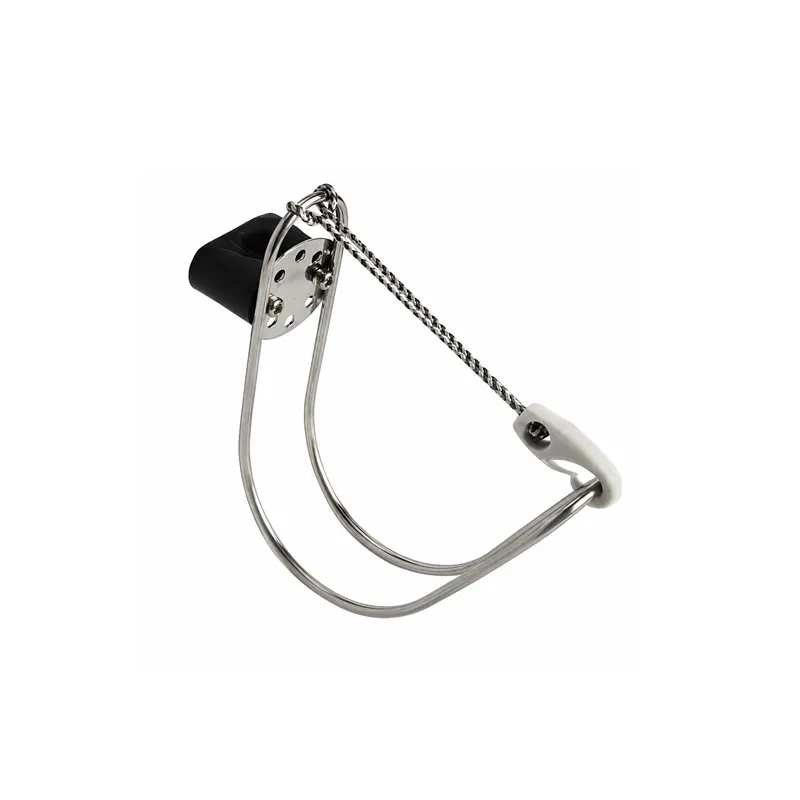
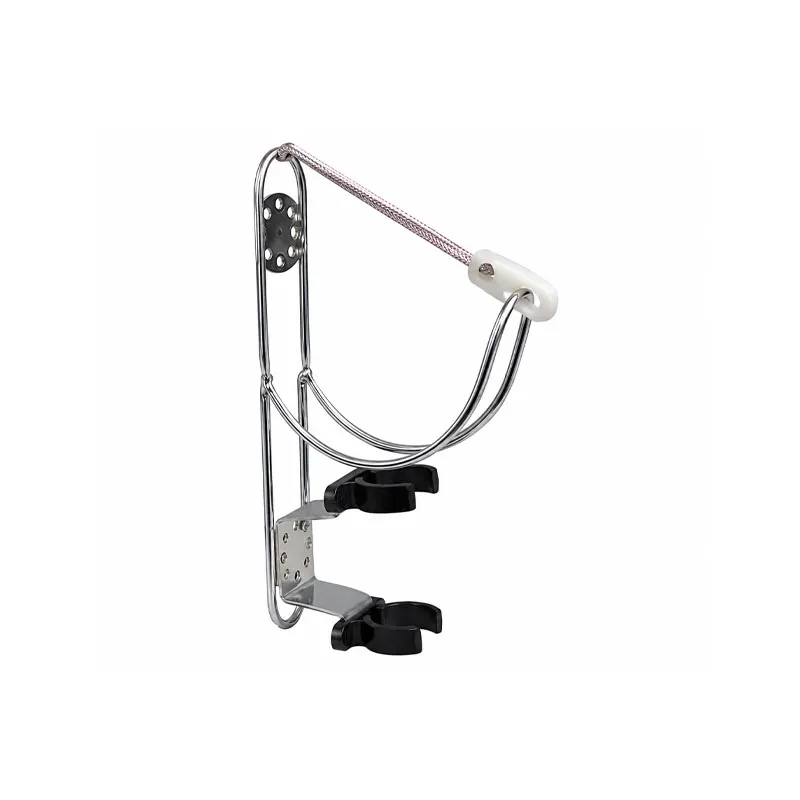
A lifebuoy bracket is a mounting device used to hold a life ring, ring buoy, or compatible horseshoe lifebuoy in an accessible position on a boat, yacht, ship, or other marine installation. Depending on the design, a stainless steel lifebuoy holder may offer corrosion resistance, secure storage, and convenient access. Choosing the right bracket requires checking the buoy type, mounting position, dimensions, material, and applicable marine safety requirements.
1. What Is a Lifebuoy Bracket and Why Is It Important?
A lifebuoy bracketis a support designed to keep a life ring or compatible life-saving device in a designated storage position. It may be installed on a rail, bulkhead, deck structure, or another suitable mounting surface, depending on its design. Its main purpose is simple: keep the buoy visible, organized, and accessible when someone needs it.
On boats and yachts, storage space is often limited. Safety equipment must also remain accessible without interfering with normal movement around the vessel. A suitable bracket helps solve both problems by providing a dedicated place for a life buoy instead of leaving it loose in a locker or unsecured area.
For professional marine equipment buyers, the bracket is more than a small accessory. Material quality, fit, mounting compatibility, and ease of release all influence whether the product is suitable for its intended application. A carefully selected lifebuoy bracket can support a more organized marine safety arrangement.
2. Why Choose a Stainless Steel Lifebuoy Holder?
Marine environments expose hardware to moisture, salt spray, changing temperatures, and repeated handling. Ordinary steel components may require additional surface protection, while unsuitable materials can deteriorate when exposed to demanding conditions. Stainless steel is therefore a common material choice for marine hardware.
A stainless steel lifebuoy holder can offer several practical benefits:
Corrosion resistance: Appropriate stainless steel grades can help resist corrosion in marine environments.
Structural durability: A properly designed bracket can provide reliable support during normal service.
Low-maintenance surface: Stainless steel may reduce the need for frequent surface treatment compared with some alternative materials.
Clean appearance: A silver finish suits many boat, yacht, and commercial vessel installations.
Product versatility: Different mounting designs can accommodate different storage layouts and equipment requirements.
Material selection still matters. AISI 316 stainless steel is an important material in HIGRACE’s marine hardware portfolio, while AISI 304 stainless steel, carbon steel, galvanized steel, and other options may be relevant depending on the product.
Buyers should confirm the exact material grade of the proposed bracket rather than assuming that every stainless steel product uses the same alloy. They should also consider the surrounding fittings, fasteners, cleaning practices, and exposure conditions.
For long-term sourcing, HIGRACE Hardware Limited offers marine hardware and precision stainless steel investment casting, with product and customization options subject to the specific application and drawing requirements.
3. What Types of Lifebuoy Brackets Are Available?
Not every vessel uses the same life-saving equipment or storage arrangement. A ring buoy, a horseshoe lifebuoy, and a life preserver with a different shape may require different support designs. Buyers should identify the equipment first and then select a compatible holder.
These are general product categories, not a statement that every configuration is available as a standard HIGRACE model. Buyers should confirm the current catalog, materials, dimensions, and mounting options with the supplier.
A ring buoy bracket may have a different profile from a horseshoe lifebuoy bracket. A horseshoe lifebuoy holder must accommodate the shape of the flotation device without placing unnecessary pressure on it. Similarly, a stainless steel ring buoy hook should be selected according to the intended equipment and release requirements.
The correct bracket design should retain the buoy during normal vessel movement while allowing it to be removed when required. Avoid selecting a holder based only on appearance or price.
4. How Do You Choose the Right Ring Buoy Holder?
Choosing the right ring buoy holder starts with the equipment being stored. Check the buoy’s outer dimensions, thickness, weight, shape, and any attached line, light, or other accessories. These details help determine the required clearance and the appropriate support arrangement.
Next, consider the installation environment. A yacht with polished stainless steel rails may require a different mounting solution from a commercial vessel with a flat bulkhead. Buyers should also check whether the bracket can be installed without obstructing walkways, access points, or other safety equipment.
Use the following checklist when evaluating a potential product:
Buoy compatibility: Confirm that the holder matches the intended life ring or horseshoe lifebuoy.
Material: Verify the stainless steel grade or alternative material.
Mounting method: Check rail diameter, screw positions, mounting surface, and available clearance.
Retention: Make sure the design holds the equipment securely under expected operating conditions.
Access: Confirm that the buoy can be retrieved without unnecessary delay.
Environment: Consider salt exposure, moisture, vibration, and routine maintenance.
Documentation: Request relevant drawings, material information, and applicable compliance documents when needed.
A steel boat life ring holder should also be evaluated as part of the complete installation. The supporting structure, fasteners, and mounting surface must be suitable for the intended load and service conditions.
For distributors and importers, a standard checklist is especially useful when comparing several suppliers. It reduces the risk of ordering a product that looks correct in a photograph but does not fit the customer’s actual installation.
5. Where Should a Lifebuoy Bracket Be Mounted on a Boat or Yacht?
The mounting location affects visibility, access, and the practical use of marine safety equipment. A lifebuoy bracket may be installed on a suitable rail, bulkhead, deck structure, or other designated location, depending on the vessel layout and the equipment’s requirements.
On a yacht, a ring buoy holder may be positioned near an appropriate deck area or rail where the equipment remains accessible without blocking movement. On a commercial vessel, the mounting position may be determined by the vessel’s safety plan, operating conditions, and applicable regulations.
The mounting surface should provide adequate support. Before installation, check the bracket’s fixing points, the strength of the supporting structure, the required fasteners, and the clearance needed to remove the buoy. Avoid locations where other equipment, stored items, or routine operations could obstruct access.
The installation should also account for the equipment supplied with the buoy. If the ring has a lifeline, light, or other accessories, the storage arrangement should keep them organized without tangling or interfering with deployment.
For vessels subject to formal safety requirements, the mounting location and holder design should be checked against the applicable rules and the vessel’s approved safety arrangements. A general-purpose holder should not automatically be treated as a compliant quick-release or automatic launching system.
6. What Materials and Finishes Should Buyers Consider?
The best material depends on the installation environment, the product’s structural requirements, the desired appearance, and the buyer’s budget. Stainless steel is widely used in marine hardware, but different stainless steel grades and alternative materials serve different needs.
AISI 316 stainless steel is often considered for marine applications where corrosion resistance is important. AISI 304 stainless steel may also be used in suitable applications, while carbon steel and galvanized steel can be relevant for products designed with appropriate protective finishes.
Material Option
General Consideration
What Buyers Should Verify
AISI 316 Stainless Steel
Often selected for demanding marine exposure
Grade, finish, construction, and intended service
AISI 304 Stainless Steel
Suitable for some marine and general hardware applications
Exposure conditions and corrosion requirements
Galvanized Steel
Uses a zinc protective coating
Coating condition, exposure, and maintenance
Carbon Steel
Can be used with a suitable protective finish
Surface protection and maintenance needs
Aluminum
May be suitable for certain purpose-designed holders
Alloy, strength, compatibility, and finish
These comparisons are general material guidance, not a specification for any particular lifebuoy holder.
Buyers should not assume that a silver-colored surface confirms stainless steel construction. A product described as a bracket silver may refer to its appearance or finish rather than its material. Always request confirmation of the actual material and, where necessary, supporting documentation.
Material compatibility also matters. Different metals in contact can create galvanic corrosion under certain conditions, especially in wet or saltwater environments. The complete assembly should therefore be reviewed rather than evaluating the bracket in isolation.
HIGRACE’s marine hardware and stainless steel investment casting capabilities support product sourcing and development across multiple marine hardware categories. For custom requirements, buyers can discuss drawings, samples, material selection, inspection, and finishing expectations before production.
7. How Can Distributors and Importers Source Lifebuoy Holders Efficiently?
Marine hardware distributors, wholesalers, importers, and private-label brands often need more than one bracket model. They may also purchase deck fittings, rail fittings, shackles, clips, swivels, anchors, chains, and other components for the same customer base.
Working with a supplier that covers several product categories can reduce the number of separate purchasing relationships. It may also make it easier to coordinate specifications, packaging, inspections, and shipment arrangements across a broader order.
When evaluating a lifebuoy holder supplier, professional buyers should consider the following factors:
Product range: Can the supplier support the required bracket and related marine hardware categories?
Technical communication: Can the supplier review drawings, samples, and installation requirements?
Material traceability: Can the supplier provide the material information and documentation required for the order?
Quality inspection: Are inspection requirements defined before production and shipment?
Customization: Can dimensions, finishes, packaging, or other agreed features be adjusted?
Supply coordination: Can multiple product categories be managed within a practical procurement process?
Export experience: Can the supplier communicate clearly about international orders and shipping requirements?
HIGRACE Hardware Limited was founded in 2006 and serves international B2B markets, including Europe, North America, and the Middle East. Its business focuses on marine hardware, rigging components, and precision stainless steel investment casting.
For buyers seeking OEM or custom manufacturing, HIGRACE can work from drawings or samples and provide engineering support, quality inspection, customized packaging, and private-label solutions, subject to project requirements and feasibility.
These services can be useful when a distributor needs a particular mounting configuration or wants to develop a coordinated range of marine safety accessories. The exact product scope, manufacturing process, lead time, and inspection plan should be agreed upon before an order is placed.
Can a Lifebuoy Bracket Be Customized for OEM and Private-Label Projects?
Standard products may suit many installations, but some boat builders, yacht manufacturers, marine equipment companies, and distributors need a specific mounting arrangement. Customization may be considered when standard dimensions, fixing positions, surface finishes, or equipment compatibility do not match the project requirements.
The process should begin with clear technical information. Buyers can provide a drawing, physical sample, reference photographs, required material grade, installation dimensions, and expected operating environment. The supplier can then assess whether the requested configuration is practical and identify any missing details.
Typical areas to discuss include:
Dimensions and geometry: Overall size, mounting-hole positions, clearances, and support shape.
Material and finish: Required stainless steel grade, surface appearance, and environmental conditions.
Mounting arrangement: Rail fitting, wall mounting, or another specified installation method.
Product compatibility: The exact life ring, ring buoy, or horseshoe lifebuoy to be held.
Quality requirements: Inspection points, documentation, packaging, and agreed acceptance criteria.
Branding and packaging: Private-label identification and customized packaging where feasible.
Customization should not compromise safe access to the flotation equipment. Any design change affecting retention, release, structural support, or compatibility should be evaluated before production. Where formal marine approval or certification applies, buyers should establish the relevant requirements at the start of the project.
HIGRACE supports OEM and custom manufacturing based on drawings or samples, along with new product development and engineering support. This makes it possible for qualified buyers to discuss a project-specific bracket or a broader package of marine hardware components.
The best starting point is a clear technical brief. It helps both sides assess feasibility, reduce specification gaps, and establish a more reliable basis for quotation and production.
FAQ
What is the difference between a lifebuoy bracket and a lifebuoy holder?
The terms are often used for similar products. Both generally describe a support that keeps a life ring or compatible buoy in a designated storage position. The actual design, retention method, and mounting arrangement depend on the model.
Is stainless steel the best material for a lifebuoy bracket?
Stainless steel can be a suitable choice for marine environments because appropriate grades offer corrosion resistance and a durable finish. AISI 316 stainless steel is often considered for demanding marine exposure. The final choice should reflect the installation environment, product design, and material requirements.
Can a lifebuoy bracket be mounted on a yacht rail?
Some models are designed for rail mounting, while others are intended for bulkheads or other surfaces. Check the rail diameter, fixing method, mounting clearance, and buoy compatibility before ordering.
Are ring buoy brackets and horseshoe lifebuoy brackets interchangeable?
Not necessarily. A circular ring buoy and a horseshoe lifebuoy have different shapes, so their holders may also differ. Confirm the equipment dimensions and the holder's intended application before purchasing.
Can HIGRACE provide custom lifebuoy holders?
HIGRACE provides OEM and custom manufacturing based on drawings or samples, as well as engineering support and quality inspection. Buyers can submit their required dimensions, material preferences, mounting details, and other specifications for review. The availability and feasibility of a specific lifebuoy holder should be confirmed directly.
What information should I provide when requesting a quotation?
Provide the required quantity, buoy dimensions, mounting method, material grade, finish, installation environment, packaging requirements, and any applicable compliance documentation. Drawings or clear photographs can help the supplier assess the product more accurately.

 English
 French
 Arabic
 Spanish



 October 22, 2026